A spotlight on the intricate relationship between our gut health and body weight has emerged. We are aware that roughly 70%-80% of our immune cells are located in the gut directing us to the importance of gut health and the use of probiotics in healing our gut microbiome to support digestion, immunity, inflammation, bloating, skin health, mood, cognitive function, and much more. With this knowledge, health experts have begun to explore the realm of probiotics and their potential influence on weight loss.
In this blog we dive deep into the world of gut health and explore the scientific evidence behind the potential benefits of probiotics for weight loss.
What are probiotics?
Probiotics are live microorganisms, such as bacteria or yeast, that provide health benefits when consumed in adequate amounts. These beneficial bacteria are naturally present in our bodies, particularly in the digestive system, and can also be found in certain foods such as kimchi and kefir. Several factors can influence gut health, including diet, stress levels, antibiotics, bloating, sleep patterns, physical activity, and the presence of certain diseases or conditions.
Probiotics restore and maintain the natural balance of beneficial bacteria in the gut, aiding in the digestion of food, absorption of nutrients, and protection against harmful pathogens.
Can Probiotics help with Weight Management?
Probiotics may influence weight by affecting factors such as gut microbiota composition, energy metabolism, appetite regulation, and inflammation.
Research studies have found that there are a few specific strains of bacteria that have been found to potentially help with weight loss including:
- Firmicutes: a type of bacteria in the gut that belongs to a group called phylum. These bacteria are responsible for breaking down food. Studies have suggested that having a higher amount of Firmicutes in the gut may be associated with weight gain and obesity.
- Bacteroidetes: a group of bacteria that naturally live in our digestive system. Studies suggest that having a higher abundance of Bacteroidetes in the gut may be associated with a healthier body weight. These bacteria help break down dietary fibers and other complex carbohydrates, producing beneficial compounds that can help regulate our metabolism and control our appetite.
- BB-12 (Bifidobacterium animalis subsp.): BB-12 is a special type of bacteria that is good for our bodies, particularly our digestive system. It belongs to a group called Bifidobacterium, which is found naturally in our intestines. In addition, some studies suggest that BB-12 may have a positive impact on weight management.
- Lactobacillus acidophilus: maintaining a healthy gut microbiota, which includes beneficial bacteria like Lactobacillus acidophilus, is generally considered important for overall health, including potential contributions to weight management.
Not all probiotics have been linked to weight management
While certain probiotics have been studied for their potential effects on weight, the results can vary among individuals. It's important to note that probiotics alone are not a magic solution for weight loss, and a comprehensive approach that includes a healthy diet, regular exercise, and other lifestyle factors remains crucial for achieving and maintaining a healthy weight.
What weight factors can probitoics play a part in?
Probiotics have been investigated for their potential impact on weight management. While the exact mechanisms are not fully understood, studies suggest that certain probiotic strains can influence factors related to weight such as:
- Metabolism
- Fat storage
- Appetite regulation
- Bloating: Probiotics may help alleviate bloating by promoting a balanced gut microbiota, reducing gas production, and improving digestion
Recommendations
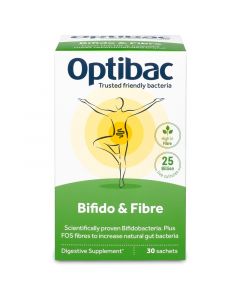
Taking OptiBac Bifido and Fibre can potentially offer benefits for weight management. Bifidobacterium strains in the supplement may support a healthy gut microbiota, which can influence metabolism and digestion, while the added fiber can help promote feelings of fullness and regulate appetite, aiding in portion control and weight maintenance. It is important to note that individual results may vary, and a comprehensive approach that includes a balanced diet and regular exercise is essential for successful weight management.
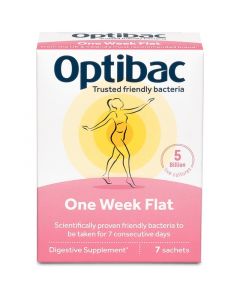
Optibac One Week Flat is a multi-strain probiotic supplement that has been specifically formulated to address bloating issues. By providing a blend of beneficial bacteria strains, it aims to restore balance in the gut microbiota, reduce gas production, and support healthy digestion, offering potential relief from bloating and promoting overall digestive comfort in just one week.
Keywords: probiotics for weight management, gut health and weight, bloating, optibac