




All you need to know about Seborrheic Dermatitis
What causes Seborrheic Dermatitis on the scalp?
Seborrheic Dermatitis on the scalp is caused by a combination of factors, including:
- Overgrowth of Malassezia yeast: This naturally occurring yeast thrives on the scalp’s oils, leading to
- inflammation and scaling.
- Abnormal immune response: Some individuals’ immune systems overreact to the presence of Malassezia.
- Environmental triggers: Stress, weather changes, and hormonal fluctuations can worsen symptoms.
- Genetics: A family history of Seborrheic Dermatitis or similar skin conditions can increase susceptibility.
Can Seborrheic Dermatitis on the scalp cause hair loss?
Yes, Seborrheic Dermatitis on the scalp can lead to temporary hair loss, especially during severe flare-ups. Inflammation weakens the hair follicles, while excessive scratching can further damage the scalp, leading to shedding. Proper treatment with medicated shampoos and anti-inflammatory products can help restore the scalp’s health and support hair regrowth.
How long does it take to treat Seborrheic Dermatitis on the scalp?
Improvement is typically seen within 2–4 weeks with consistent use of medicated shampoos and proper scalp care. Severe cases may take longer and often require ongoing maintenance treatments to prevent recurrence.
What are the best shampoos for managing Seborrheic Dermatitis on the scalp?
- Vichy Dercos Anti-Dandruff Shampoo for Normal to Oily Hair: Targets excess oil production, reduces flakes, and soothes inflammation for balanced scalp health.
- Vichy Dercos Anti-Dandruff Shampoo for Dry Hair: Nourishes dry scalps, reduces dandruff, and hydrates to prevent irritation and dryness.
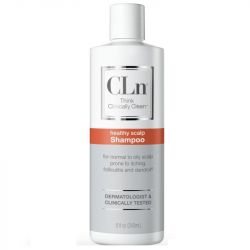
- CLn Healthy Scalp Shampoo: Free from sulphates and parabens, this gentle shampoo calms sensitive scalps while effectively managing flakes and irritation. Read more: Best Seborrheic Scalp Dermatitis Shampoo
To minimise flare-ups and maintain a healthy scalp:
- Avoid harsh shampoos or styling products that strip natural oils or irritate the scalp.
- Manage stress levels and avoid known environmental triggers.
- Keep your scalp clean, but don’t over-wash, as this can dry out the skin.
- Moisturise the scalp if dryness occurs to maintain a healthy barrier.
Is Seborrheic Dermatitis on the scalp the same as dandruff?
While both conditions cause flaking, Seborrheic Dermatitis is a more severe form of dandruff. It is often accompanied by redness, itching, and inflammation. Dandruff typically involves mild flaking without the irritation or greasy patches seen in Seborrheic Dermatitis.
Can Seborrheic Dermatitis on the scalp spread to other areas?
Yes, Seborrheic Dermatitis can also affect other areas of the face rich in sebaceous glands, such as the hairline, eyebrows, sides of the nose, and ears. Consistent treatment and proper hygiene can help manage symptoms across affected areas. Find skincare solutions here.