




Dermatological FAQ's: Seborrheic Dermatitis on the Face & Body
What causes Seborrheic Dermatitis on the skin?
Seborrheic Dermatitis is thought to be caused by a combination of factors, including:
- Overgrowth of Malassezia yeast: This yeast thrives in oily areas of the skin, triggering irritation and inflammation.
- Abnormal immune response: The immune system overreacts to the yeast, worsening symptoms.
- Environmental factors: Stress, hormonal fluctuations, and changes in weather can exacerbate flare-ups.
- Genetic predisposition: A family history of similar conditions can increase susceptibility.
Seborrheic Dermatitis on areas like the face, chest, or folds of the skin can be managed with:
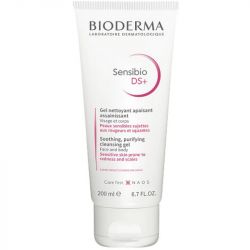
- Gentle antifungal cleansers: These help control the overgrowth of Malassezia yeast without irritating the skin.
- Topical antifungal creams: Formulations with ingredients like ketoconazole or clotrimazole can reduce redness, scaling, and inflammation.
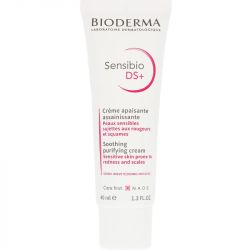
- Moisturisers: Use non-comedogenic, fragrance-free moisturisers to maintain the skin’s barrier and reduce dryness.
- Anti-inflammatory creams: Low-strength hydrocortisone or dermatologist-recommended alternatives can help control flare-ups.
How long does it take to see improvements in skin symptoms?
Treatment for Seborrheic Dermatitis on the skin typically shows improvements within 2–4 weeks with consistent use of appropriate antifungal and soothing products. Maintenance treatments may be required to keep symptoms under control and prevent flare-ups.
Is Seborrheic Dermatitis the same as cradle cap?
Seborrheic Dermatitis is similar to cradle cap, which affects infants and causes scaly patches on the scalp. However, cradle cap usually resolves as the baby grows, while Seborrheic Dermatitis in adults is a chronic condition requiring long-term management.
Does Seborrheic Dermatitis require different care for the scalp and skin?
Yes, Seborrheic Dermatitis on the scalp and other areas of the skin often requires tailored care. While medicated shampoos are ideal for the scalp, skincare solutions like antifungal creams and gentle cleansers are more effective for managing symptoms on the face and body. Explore hair and scalp-specific solutions here.