


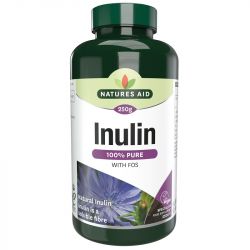







All you need to know about Prebiotics
What is the difference between a Prebiotic and Probiotic?
Probiotics are live bacteria that reside in the gut and play a range of roles in the body; helping in part to regulate sleep, mood, immunity, digestion and many other vital functions. Prebiotics are the food that probiotics eat.
This means that taking prebiotics is very beneficial for your gut health as you provide the food required for the friendly bacteria in your gut to thrive.
Can you take Prebiotics and Probiotics together?
Yes absolutely. Check ingredients labels carefully because a lot of probiotic supplements often include a prebiotic like FOS to enhance their absorption.
Taking a prebiotic enhances the function of the probiotics already in your system and will also help any new probiotic strains that you're supplementing with to thrive.
What foods contain prebiotics?
There are many foods which naturally contain prebiotics. Here are some common examples:
- Chicory root: High in inulin, promoting beneficial gut bacteria.
- Garlic and onions: Rich in inulin and FOS, supporting digestive health.
- Bananas: Contain resistant starch, feeding good gut bacteria.
- Asparagus and leeks: Provide inulin and FOS, improving gut balance.
- Whole grains: Such as oats and barley, containing beta-glucans and resistant starch.
- Apples: High in pectin, a type of fibre beneficial for gut bacteria.
- Jerusalem artichokes: Packed with inulin, fostering healthy microbiota.
When is the best time to take a prebiotic?
Generally it's always recommended to take prebiotics (and probiotics!) in the morning; it sets up your gut for a healthy go and kickstarts things.
We also recommend taking prebiotics with food. The reason for this is to help them journey through the stomach (where stomach acid is quite strong) and into the small intestine where they really get to work.
How long do Prebiotics take to work?
In some respects prebiotics get to work almost instantly because the minute they're in the gut they're being consumed by probiotics and helping the healthy bacteria to flourish.
In practical terms though most people are principally concerned with when they will notice some differences. The truth is that prebiotics do take time to make their full impact. Usually within 1-2 weeks the first difference people notice is that their digestion is improved, they're less bloated and going to the bathroom more regularly. Other changes like improved sleep and immunity take between 1-3 months to start to happen.