
Best Skincare For Babies With Eczema: Creams, Gels & More

Caring for your baby’s skin is delicate, especially if they’re prone to dryness or eczema. Our baby skincare range offers soothing, dermatologist-approved formulas to calm and protect sensitive skin. From emollient balms and gentle cleansing gels to moisturisers, repair creams and eczema-friendly pyjamas, each product is designed to restore comfort and keep your baby’s skin soft, smooth and healthy.
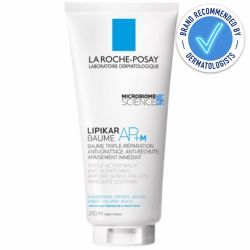
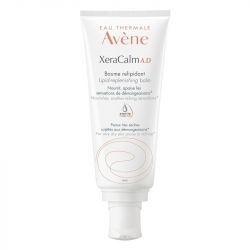
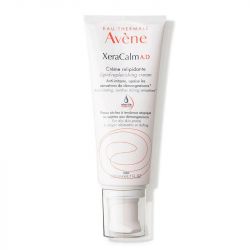
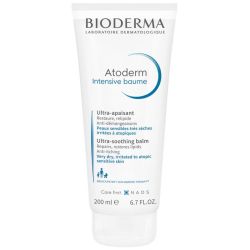
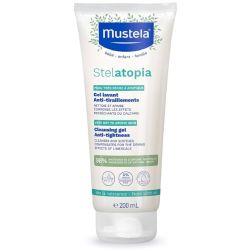
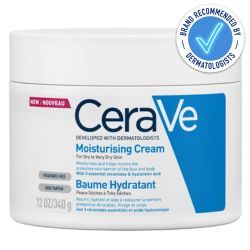
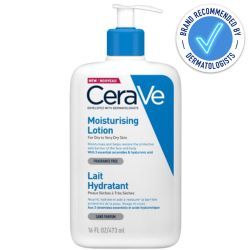

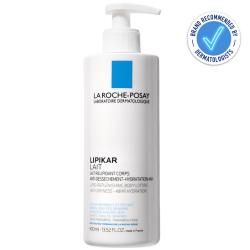
- La Roche-Posay Lipikar Lait Body Milk for Dry Skin 400mlSpecial Price £16.13 Regular Price £21.50Out of stock
- Bioderma Atoderm Intensive Ultra-Soothing Balm 45mlSpecial Price £3.69 Regular Price £5.50Out of stock




Skincare Advice For Babies With Eczema /Atopic Dermatitis Prone Skin
Note: Frequently used interchangeably, atopic dermatitis is actually one of the causes of eczema. The symptoms are similar, and often treated in the same ways, hence they are often paired.
What does atopic dermatitis look like on a baby?
When checking your baby's skin, such as when bathing them, look out for: scaly, dry and red skin, small bumps on the skin, redness and swelling, thick and hard patches of skin and general sensitivity and discomfort. Any combination of these symptoms could indicate atopic dermatitis.
What triggers eczema in babies?
The causes of eczema in babies is similar to adults, but since babies have much more sensitive skin and immune systems, flare-ups can be more easily caused. There are a number of common triggers for eczema in babies, namely:
- stress,
- allergic reactions,
- infections,
- feeling too hot,
- dry skin
- and irritation from products or clothing/nappies.
You should consult your GP if you think your baby has recurring eczema, as they can offer advice on how to treat your baby.
How do you treat baby eczema?
Baby eczema should be treated under the guidance of your baby's GP or a Paediatric Nurse. Commonly, treatment is to use a mild cleanser to clean your baby's skin, using warm water to wash it off. After drying your baby, apply a fragrance-free cream or emollient balm. A medical professional may suggest a specific cream to use.
To avoid your baby's eczema getting worse, keep a close eye on whether your child keeps scratching at the affected areas. Scratching can cause the skin to become thickened, and it could also crack, which may lead to scarring or infection. Apply an atopic cream liberally to the affected areas to keep them as moisturised as possible. If you feel your cream isn't working properly, consult your GP.
Does eczema in babies go away?
As your baby grows and develops, they may grow out of eczema, especially if you can avoid the flare-up triggers and ensure their skin is well moisturised. Most babies and small children with eczema or atopic dermatitis will no longer be dealing with it by the time they reach school age – 4-5 years old.
