Research suggests DIM may help with testosterone support, oestrogen balance, and prostate health.
DIM (Diindolylmethane) supplements for men may support hormonal balance, prostate health and overall wellbeing. DIM naturally occurs in cruciferous vegetables like broccoli, cabbage and Brussels sprouts, and influences how the body processes oestrogen and testosterone. Early research suggests it may contribute to prostate cell health, improved hormone metabolism and even weight management, though more studies in men are still needed. This guide explores the evidence, uses and possible side effects of DIM supplements, with insights from the expert pharmacists at Landys Chemist.
What is DIM?
Diindolylmethane (DIM) is formed in the body when we digest indole-3-carbinol, a substance found in cruciferous vegetables. Scientists are interested in DIM because of its ability to influence how the body metabolises oestrogen.
- Natural source: broccoli, Brussels sprouts, kale and cabbage
- Supplement form: usually capsules or tablets for more consistent intake.
Research suggests that DIM may help regulate the balance between "good" and "bad" oestrogen metabolites, which may have implications for men’s hormonal and prostate health.
How DIM Works for Men
- Balances hormones: Helps convert strong oestrogen into gentler forms, supporting a healthier testosterone-to-oestrogen ratio in men.
- Protects prostate cells: Influences hormone pathways linked to prostate health and cell growth.
- Supports detoxification: Encourages the liver to clear excess hormones and toxins more effectively.
Benefits of taking DIM for Men

- Prostate Health: Evidence suggests DIM may help regulate prostate cell growth and support normal prostate tissue. Some research also indicates it may slow the progression of prostatic intraepithelial neoplasia (PIN), which is sometimes regarded as an early change before prostate cancer. This makes DIM a supplement of interest for long-term prostate health.“There is promising evidence that DIM may play a supportive role in maintaining prostate health. While it’s not a treatment, it may be useful alongside a healthy diet and lifestyle,” says Girish Desai, Pharmacist at Landys Chemist.
- Hormonal Balance & Testosterone Support: DIM helps the body break down oestrogen into gentler forms, reducing the impact of stronger, more harmful types. It may also limit the activity of aromatase, an enzyme that turns testosterone into oestrogen. Many men also take DIM for testosterone support and to help reduce the effects of high oestrogen in men, which may otherwise impact energy, mood, and body composition.
- Mood & Mental Health: Hormones influence brain chemistry and mood. By supporting a better balance between testosterone and oestrogen, DIM may help reduce irritability and low mood associated with hormone imbalance. Some men report feeling more balanced when using DIM, though larger studies are still needed.
- Cardiovascular Health: Balanced oestrogen metabolism may contribute to better heart and blood vessel health. While evidence in men is limited, DIM’s influence on hormone pathways suggests it may have protective cardiovascular effects.
- Weight Management & Muscle Support: Oestrogen can affect how fat is stored in men, especially around the stomach. DIM is sometimes used by men in the fitness community, where it’s discussed for its potential role in bodybuilding, lean muscle growth, and reducing belly fat. While research is still developing, men often combine DIM with a balanced diet and exercise routine.
- Antioxidant & Immune Protection: DIM has antioxidant properties, which means it can help reduce oxidative stress in the body. It also shows anti-inflammatory effects that may support immune function, helping cells stay healthier for longer.
- Skin Health: Because hormone shifts can affect the skin, some men use DIM supplements for acne or to help manage hormonal breakouts. DIM may help reduce hormone-related breakouts in men by keeping oestrogen and testosterone in balance. Read more here: DIM benefits for Acne
Recommended DIM Dosage and Supplements for Men
Most studies on DIM supplements for men use doses between 100mg and 300mg per day. This range appears safe and effective for supporting hormone balance, prostate health, and general wellbeing. Lower doses around 100mg are often taken for daily hormone support, while higher amounts closer to 200–300mg are sometimes recommended for men with specific prostate or hormonal concerns.
When choosing the best DIM supplement for men, affordability and absorption are key. NOW Foods DIM 200 is budget-friendly, while Pure Encapsulations DIM Ultra features BioResponse DIM®, one of the most researched and well-absorbed forms. You can also explore our full range of DIM supplements for men's health here.

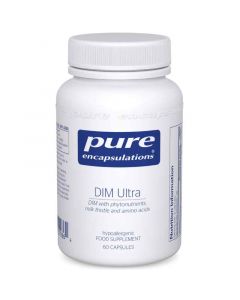
“It’s important to note that there is no official NHS or government guideline for DIM dosage. Men should always start at the lower end of the range and consult a healthcare professional if they are on hormone-related medication or managing prostate conditions.” states Mr Desai.
Possible Side Effects of DIM
Most men tolerate DIM well, but some may experience mild side effects such as bloating, gas, headaches, or harmless darkening of urine.
High doses may increase the risk of nausea or fatigue. Since long-term safety data in men is limited, DIM should only be taken at recommended doses and under the guidance of a healthcare professional.
Who Should Avoid DIM?
Men on hormone-based treatments, those with hormone-sensitive cancers, or anyone managing long-term health conditions should avoid DIM unless advised by a doctor.
Summary
In summary, DIM supplements for men may support prostate health, testosterone, weight management, bodybuilding goals, and even skin clarity. While research is still ongoing, DIM remains one of the most popular supplements for men seeking better hormone balance.
FAQs on DIM for Men
Can men get DIM from food?
Yes, DIM is found in cruciferous vegetables, but supplements provide a more consistent dose.
Does DIM lower oestrogen in men?
Yes, DIM helps the body convert strong oestrogen into weaker forms, supporting a healthier balance in men
Is DIM good for testosterone?
DIM may help keep testosterone levels more stable by reducing conversion into oestrogen.
What does DIM do for a man?
DIM may support prostate health, balance hormones and influence fat metabolism, though more evidence is required.
How long should men take DIM?
Research on DIM in men is limited and mostly short-term, usually lasting 1–12 months at daily doses of 100–150mg. Men should only take DIM for as long as advised by a healthcare professional, who can recommend the right duration based on individual health needs.
Does DIM reduce belly fat?
Yes, some studies suggest a possible role in fat breakdown when taking DIM supplements, but results are not yet conclusive.
Should you take DIM at night or in the morning?
It is generally recommended to take DIM with meals, often in the morning or afternoon.
Does DIM shrink the prostate?
No, there is no strong evidence supporting prostate shrinkage, but it may help maintain healthy prostate cell growth.
Sources:
- Definition of diindolylmethane - NCI Drug Dictionary
- 3,3′-Diindolylmethane Modulates Estrogen Metabolism in Patients with Thyroid Proliferative Disease: A Pilot Study
- Inactivation of uPA and its receptor uPAR by 3, 3'-Diindolylmethane (DIM) leads to the inhibition of Prostate Cancer Cell growth and migration
- Multiple therapeutic and preventive effects of 3,3′-diindolylmethane on cancers including prostate cancer and high grade prostatic intraepithelial neoplasia - PMC
- Chemopreventive properties of 3,3′-diindolylmethane in breast cancer: evidence from experimental and human studies - PMC
- Exposure to polybrominated diphenyl ethers and male reproductive function in Greenland, Poland and Ukraine - ScienceDirect
- Menopause and heart and circulatory conditions - BHF
- Antioxidant Function of Isoflavone and 3,3′-Diindolylmethane: Are They Important for Cancer Prevention and Therapy? - PMC
Medically Reviewed & Authored By
This article was medically reviewed by Girish Desai, Chief Pharmacist at Landys Chemist since 1982 (GPhC Reg. No. 2019217).
Written and compiled by Rhysa Phommachanh, Head of Digital at Landys Chemist and specialist in health and wellbeing content strategy.
Disclaimer: This content is grounded in research and expert pharmacy and nutrition knowledge to ensure accuracy and relevance.