By Panasha Desai, Pharmacist (GPhC 2071387)
Selenium is a mineral that supports your immune system and reproductive system. It is a lesser discussed nutrient but plays a vital role in maintaining a healthy body. The immune and reproductive systems are two of the biggest aspects of health and being aware of what can affect them can make all the difference in staying healthy.
Because of selenium’s role in each system, studies have been carried out to see exactly what selenium levels should be and how we can avoid or deal with certain conditions beyond maintaining overall health. Here, we look at some of the lesser known ways that selenium affects our bodies, in particular how it can impact reproductive health and how it may support those living with HIV and AIDS.
Key Facts About Selenium & Selenium Deficiencies
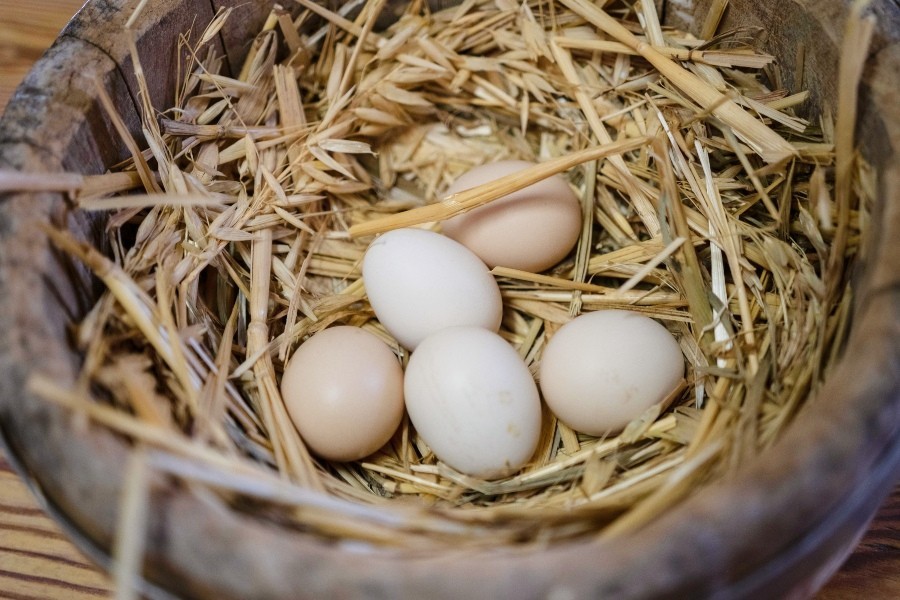
The latest findings on selenium needs say that we only need a small amount of per day, up to 0.075mg. Common sources are brazil nuts, meat and eggs, which makes it relatively easy to get it into your diet.
Some research has suggested that in Europe, we don’t typically get enough selenium daily but it isn’t enough to make a deficiency common – selenium deficiencies are rare, unless due to another condition.
If you are concerned about getting enough in your diet, you should consult a doctor or nutritionist before starting any supplements.
So those are the key facts you need to know about selenium. Now, we’ll look at what conditions selenium has an effect on, and how.
Selenium & Thyroids
Your thyroid is an important gland in the neck which controls body functions like temperature, appetite, sleep, weight, energy and more. Issues with your thyroid can lead to weight gain or loss, difficulty sleeping, irritability, muscles weakness and fatigue.
We know that selenium is one of the nutrients that supports the immune system. Moreover, selenium specifically helps protect the thyroid from autoimmune attacks from antibodies, while also regulating the production of reactive oxygen in the thyroid. This means that a lack of selenium could contribute to a weakened immune system leading to thyroid conditions and the issues that result.
The throid is the biggest store of selenium and some studies have linked low thyroid function to a deficiency. Helpfully, they have also found that diet is the best way to get enough selenium to keep your thyroid and body healthy, and that this will help prevent the development of thyroid disease.
Selenium isn’t responsible for thyroid health alone, zinc and vitamin D are also believed to be key players in this. Nevertheless, selenium levels can be at the root of a range of autoimmune thyroid diseases, namely:
It can also present in pregnant people with the appearance of anti-TPO antibodies.
Those with thyroid issues or condition should be thinking about their diet in relation to selenium levels, under the guidance of a medical professional. For those who are just looking to maintain their health and avoid developing a condition, diet is the best way to go, but supplements are a viable way of getting selenium if you are struggling.
Selenium & Reproductive Health

There are a lot of things that can affect our reproductive health, sometimes from birth, or from conditions that arise in life. Many people don’t know the details of their reproductive health until they start thinking about having children. Selenium has been linked to a number of aspects of reproduction health, such as: sperm production, pregnancy success rates and newborn health.
‘Of the nine biological trace elements, zinc, copper and selenium are important in reproduction in males and females.’ Increasingly, evidence suggests that selenium plays an important role in the normal growth of reproduction of humans and animals. This affects different bodies in different ways. For example, ‘ selenium content of male gonads increases during pubertal maturation’ enabling reproduction.
A selenium deficiency can result in serious conditions such as ‘infertility, abortions and retention of the placenta’ – the last causing issues post birth for the parent, such as hemorrhage and infection. Additionally, ‘newborns from a selenium-deficient mother suffer from muscular weakness’. This carries over into breastfeeding, where the lactating parent requires more selenium as that vital nutrient is passed through breast milk to the baby, helping it to grow.
Medical professionals and fertility experts will be able to support anyone who is experiencing fertility issues or is concerned about their selenium levels before, during and after pregnancy and birth.
Selenium & HIV / AIDS

The least conclusive data is related to the effects of selenium on the contraction of HIV, and conditions as a result of HIV and AIDS. Some studies suggest that selenium may have a positive effect by reducing viral load and reducing mortality, but all reports urge caution due to limited data and mixed findings.
A cross-sectional study reported that serum selenium levels were significantly lower in patients with HIV stage II and III but higher in those with HIV stage I. This relationship between selenium levels and progression of the virus was developed in additional studies. One noted that ‘HIV infection has been linked to selenium deficiency which, in turn, is thought to be associated with a high risk of tuberculosis and mortality in HIV-infected patients.’ It also said that daily supplementing with selenium to suppress HIV-infection requires further study, but that there was evidence that ‘selenium supplementation can delay CD4 decline in HIV-infected patients, thus prolonging the onset of AIDS’. CD4 are the cells that the HIV virus kills and so numbers reduce over time, when the count drops below 200, a person is diagnosed with AIDS.
While there are no certainties yet and certainly more and separate investigations into HIV and AIDS being carried out. Understanding that selenium may play a part in halting the development of HIV in those with the virus could help people to live longer and healthier lives.
Learn More About The Power Of Minerals
In many ways, we only know a fragment of the power that minerals hold. New research is being carried out each day, year, decade, which is increasing our understanding of what nutrients help our bodies to remain healthy. We’ve created more guides on each mineral, as well as the key basic information of how much you need and where to get it in our Minerals Glossary.
Disclaimer
The products offered are not intended to diagnose, treat, cure, or prevent any illness or disease, or replace the advice of a medical professional. Results are not guaranteed and may vary from individual to individual.