What Are Iron Tablets?
Iron tablets are dietary supplements designed to boost iron levels in individuals who are deficient. There are different forms of iron available in supplement form, including ferrous fumarate, ferrous sulfate, and ferrous gluconate[1]. Each type has its unique absorption rate and dosage, allowing healthcare providers to tailor recommendations based on individual needs.
- Ferrous Fumarate: One of the most commonly used forms, known for its high bioavailability, meaning it’s easily absorbed by the body[2].
- Ferrous Sulfate: Often used for general iron supplementation, but some may experience mild digestive discomfort[3].
- Ferrous Gluconate: Gentler on the stomach, this form is ideal for individuals with sensitive digestion but may require higher dosages to match ferrous fumarate’s effectiveness[4].
Why Do We Need Iron Tablets?
Iron is a vital mineral that supports the production of haemoglobin in red blood cells. Haemoglobin plays a critical role in oxygen transportation, carrying oxygen from the lungs to various tissues throughout the body[5]. People who are not getting enough iron from iron-rich foods or have conditions that deplete iron stores may benefit from supplementation.

When Should You Take Iron Supplements?
Iron deficiency is more common than many realise, affecting around 20% of the global population[6]. In fact, many individuals with iron deficiency may not even realise they have it, as symptoms can be mild or attributed to other factors. Common symptoms include:
- Persistent Fatigue: Iron is essential for producing haemoglobin, a protein in red blood cells that carries oxygen throughout your body. When iron levels are low, your cells receive less oxygen, which can reduce your energy levels, leading to persistent fatigue[7]. Chronic fatigue can impact daily activities, concentration, and overall quality of life.
- Weakness or Dizziness: Iron-deficient individuals often feel weak or dizzy, especially when they exert themselves. Iron supports muscular and neurological function by aiding oxygen delivery. Without enough iron, the muscles may not get sufficient oxygen during activity, leading to sensations of weakness[8].
- Brittle Nails and Hair Loss: Iron plays a critical role in the structure and health of your skin, nails, and hair. Low iron levels can impair the growth and strength of hair and nails, making them brittle and prone to breakage. In more severe cases of iron deficiency, hair follicles don’t get enough nourishment, which can lead to hair thinning or even noticeable hair loss[9].
- Cold Hands and Feet: Poor circulation is a common symptom of iron deficiency. When there’s a shortage of iron, blood flow can become compromised, resulting in reduced warmth, particularly in the extremities like hands and feet. If your hands and feet are often cold, even in warm weather, it could be a sign that your body isn’t getting the iron it needs to keep your circulatory system functioning efficiently[10].
People who are more prone to iron deficiency include those with heavy menstrual bleeding, pregnant women, and individuals following a restricted diet. If you identify with these symptoms or groups, it may be worth considering iron supplementation and consulting a healthcare provider.
How Long Do Iron Tablets Take to Work?
The time it takes for iron tablets to show noticeable improvements varies depending on the severity of the deficiency and the specific symptoms being treated. Here’s a breakdown of common symptoms and the expected time for iron supplementation to work:
Anaemia
Individuals diagnosed with iron-deficiency anaemia may begin to feel an improvement in their energy levels within 2-4 weeks. However, full recovery and replenishment of iron stores often take 3-6 months[11]. The recovery timeline depends on the initial severity of the anaemia, the individual’s overall health, and adherence to the treatment plan. Including iron-rich foods, such as red meat, leafy greens, and legumes, can also help support quicker recovery.
Hair Loss
Iron deficiency can contribute to hair loss, as the body prioritises oxygen for vital functions over non-essential areas like hair follicles. Improvements in hair health can take 3-6 months[12] of regular iron supplementation, and regrowth is generally gradual. Hair regrowth is generally gradual, so patience is key.
Heavy Menstrual Bleeding
Heavy menstrual bleeding can be both a cause and a symptom of iron deficiency. When periods are heavy, the body loses more blood than it can replace, leading to a drop in iron levels and eventually causing anaemia if not addressed. Individuals often notice improvements in their energy levels within a few weeks, as the iron supplementation starts to replenish haemoglobin and red blood cell production. However, to fully restore iron levels, it typically takes up to 3 months of consistent supplementation. Additionally, addressing underlying causes of heavy menstrual bleeding, such as hormonal imbalances or other medical conditions, can help to manage long-term iron needs and prevent future deficiencies.
-
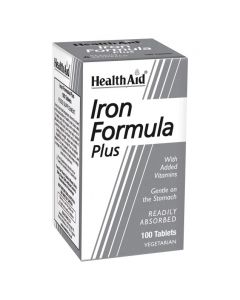 HealthAid Iron Formula Tablets Plus 100Special Price £8.79 Regular Price £10.99
Side Effects and When to See a Healthcare Professional
While iron supplements are generally safe and effective, some people may experience side effects, especially if they’re not taken correctly. Common side effects include:
- Constipation: A frequent issue with iron supplementation. Drinking plenty of water and eating fibre-rich foods can help mitigate this.
- Upset Stomach or Nausea: Taking iron tablets with food can reduce stomach discomfort, although this may slightly reduce absorption.
- Dark Stools: Darkened stools are a harmless but common side effect of iron supplements.
It’s important to monitor for more severe reactions, such as severe abdominal pain or vomiting, and consult a healthcare provider if these occur. Additionally, if you have any pre-existing health conditions, it’s a good idea to discuss your iron needs with a professional before beginning supplementation.
FAQ:
Is there a quick fix for iron deficiency?
While some may feel better within weeks, iron deficiency recovery is generally a gradual process. It’s essential to be consistent with your supplementation and follow your healthcare provider’s advice for long-term improvement.
How to take iron tablets?
For best absorption, take iron tablets on an empty stomach. However, if they cause nausea, you can take them with a small snack. Avoid calcium-rich foods, as calcium can interfere with iron absorption.
What are foods rich in iron?
Iron-rich foods include red meat, poultry, seafood, beans, lentils, tofu, and leafy greens. Pairing these with vitamin C-rich foods, like citrus fruits or bell peppers, can enhance absorption.
Will I get constipation from iron tablets?
Constipation is a common side effect of iron supplements. To help prevent this, stay hydrated, eat high-fibre foods, and consider a gentle stool softener if necessary.
Can I take iron tablets during pregnancy?
Pregnant women have increased iron needs to support the growing baby and placenta. While many prenatal vitamins contain iron, additional supplementation may be recommended for those with low iron levels.
[1] https://www.ncbi.nlm.nih.gov/books/NBK557376/
[2] https://www.ncbi.nlm.nih.gov/pmc/articles/PMC8895218/
[3] https://www.ncbi.nlm.nih.gov/pmc/articles/PMC4336293/
[4] https://www.ncbi.nlm.nih.gov/pmc/articles/PMC3867244/
[5] https://www.ncbi.nlm.nih.gov/pmc/articles/PMC3999603/
[6] https://www.ncbi.nlm.nih.gov/pmc/articles/PMC8671013/
[7] https://www.mayoclinic.org/diseases-conditions/iron-deficiency-anemia/symptoms-causes/syc-20355034
[8] https://www.ncbi.nlm.nih.gov/pmc/articles/PMC7019700/
[9] https://www.ncbi.nlm.nih.gov/pmc/articles/PMC3678013/
[10] tps://my.clevelandclinic.org/health/diseases/22824-iron-deficiency-anemia
[11] https://www.ncbi.nlm.nih.gov/books/NBK448065/
[12] https://www.ncbi.nlm.nih.gov/pmc/articles/PMC3678013/