Hair porosity refers to how well your hair absorbs and holds moisture, and it plays a key role in hair health, strength, and manageability. There are three main types of hair porosity: low, medium, and high. Each type affects how easily your hair takes in products, retains hydration, and responds to styling. You can test your hair porosity at home using simple methods such as the float test, spray test, or slip test. Once identified, you can select appropriate products and implement a care routine that ensures strong, smooth, and well-hydrated hair.
In this blog, we cover what hair porosity is, how to test it at home, and which products suit your porosity type.

What is Hair Porosity And Why Does it Matter?
Hair porosity is the measure of your hair’s ability to absorb and retain moisture. This depends on the state of the cuticle, which is the protective outer layer made up of overlapping cells. When cuticles are tightly closed, hair resists moisture and product absorption, making it low porosity. When cuticles are raised, damaged or have gaps, hair soaks up moisture quickly but loses it just as fast, which means high porosity. Medium porosity falls in between, offering the best balance of absorption and retention.
“Understanding your hair porosity is just as important as knowing your skin type when it comes to choosing products. Once you know your porosity level, you can shop more effectively and avoid wasting money on products that simply won’t work for your hair.” — Wiktoria Suder, Expert in Makeup, Skincare and Beauty
What Type of Hair Porosity Do You Have?
Low Porosity Hair Explained
Low porosity hair has a tightly sealed cuticle, which makes it harder for water and products to sink in. It takes a long time to get fully wet or dry, and products often sit on the surface, leading to buildup. Once moisture is absorbed, though, it usually stays locked in.
How it looks: Low porosity hair often appears shiny and smooth because the cuticle lies flat. However, it can also look heavy or coated if too much product is applied.
High Porosity Hair Explained
High porosity hair has raised or damaged cuticles, so it quickly absorbs moisture but loses it just as fast. High porosity hair is prone to dryness, frizz, tangles, and breakage, especially from heat or chemical styling. It benefits most from products that strengthen and seal in hydration.
How it looks: High porosity hair often looks dull, frizzy or rough. It may appear dry at the ends, lack shine, and look more prone to flyaways or breakage.
Medium Porosity Hair Explained
Medium porosity hair balances absorption and retention well, making it the easiest type to manage. It responds predictably to products, holds styles with ease, and stays strong and shiny with regular care.
How it looks: Medium porosity hair usually looks healthy with a natural sheen. It often appears fuller and more resilient, with styles holding well without excessive effort.

How to Test Hair Porosity
You can test hair porosity at home using three simple methods: the Float Test, Spray Bottle Test, and Strand Test. These show how easily your hair absorbs and retains moisture and help identify if your hair is low, medium, or high porosity.
- Float Test: Place a clean, product-free strand of hair in a glass of water. If it floats for several minutes, your hair is likely low porosity. If it sinks quickly, it suggests high porosity. Hair that lingers in the middle usually indicates medium porosity.
- Spray Test: Mist a section of dry hair with water. When droplets sit on the surface, it points to low porosity. If the water soaks in straight away, the hair is high porosity. Absorption at a steady pace usually signals medium porosity.
- Strand Test: Take a single strand of hair and run your fingers from the tip towards the root. A smooth texture often means low porosity, while a rough or bumpy feel suggests high porosity. Medium porosity hair tends to feel even without much resistance.
Disclaimer: While this method can be useful, the most reliable way to understand your porosity is by observing how your hair reacts to moisture from products.
Best products for each hair porosity Type
Choosing products for your porosity type helps moisture absorb properly, prevents dryness or breakage, and makes haircare easier and more effective.
Hair Care For Low Porosity Hair
- Lightweight, water-based moisturisers.
- Clarifying shampoos to remove buildup.
- Heat or steam to open cuticles.
-
 Bioderma Node Shampoo Fluide 200mlSpecial Price £8.04 Regular Price £12.00

Hair Care For High Porosity Hair
- Rich conditioners and leave-ins.
- Protein treatments to fill gaps.
- Oils or butters to seal in moisture
-
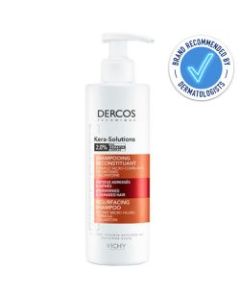 Vichy Dercos Kera Solutions Resurfacing Shampoo 250mlSpecial Price £11.63 Regular Price £15.50

-
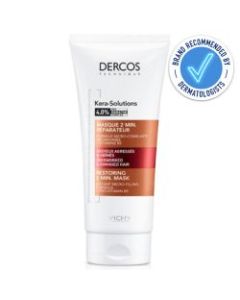 Vichy Dercos Kera Solutions Restoring Conditioning Mask 200mlSpecial Price £12.00 Regular Price £16.00

Hair Care For Medium Porosity Hair
- Balanced routines with deep conditioners.
- Occasional protein treatments.
- UV and heat protection.

Key Takeaways
- Hair porosity = how your hair absorbs and holds moisture
- Three types: Low, Medium, High porosity
- Test methods: Float test, Spray test, Strand test
- Knowing porosity helps you choose the right haircare routine
FAQ
Can hair porosity change over time?
Yes, porosity can change due to heat styling, colouring, bleaching, or sun exposure. As the cuticle becomes more raised, hair absorbs moisture faster but also loses it quickly. Consistent care and protective products help reduce this damage and improve moisture retention.
Which hair porosity type is easiest to care for?
Medium porosity is often the easiest because it absorbs and holds moisture well without extremes. However, low and high porosity hair can be kept just as healthy if you use products designed specifically for their needs.
Can one person have different porosity levels on their head?
Yes, it is very common. Roots are usually lower porosity since they are newer, while older ends become more porous due to age, styling, and exposure to heat or chemicals.
Does genetics affect hair porosity?
Genetics can set your natural porosity level, but external factors like bleaching, dyeing, straightening, or frequent heat styling usually have a bigger impact over time.
Does coconut oil help with hair porosity?
Research shows coconut oil reduces protein loss in hair, which helps strengthen the cuticle. It is particularly helpful for high porosity hair, where gaps in the cuticle allow protein and moisture to escape easily.
- Sources