What is the AIP diet?
The Autoimmune Protocol (AIP) diet is an elimination diet designed to identify individual food triggers. It involves the temporary removal of foods that may provoke the immune system or irritate the gut lining, followed by a staged reintroduction process. It has similar food principles to the paleo diet, however, AIP has additional eliminations and a greater emphasis on tracking symptoms.
What is the AIP diet for?
The Autoimmune Protocol (AIP) is a short-term dietary approach designed to help individuals with autoimmune or auto-inflammatory symptoms identify specific foods that may trigger flares. It emphasizes nutrient-dense eating throughout the process.
The initial elimination phase of AIP typically lasts between 30 and 60 days. Following this, foods are gradually reintroduced, allowing for greater dietary flexibility. The long-term benefit of AIP is a continued focus on nutrient-rich foods, such as a variety of vegetables, high-quality proteins, bone broth, fish, and fermented foods. These foundational elements can support a balanced diet even after the protocol concludes.
Who would benefit from the Autoimmune Protocol?
The AIP diet primarily targets individuals with autoimmune conditions such as Hashimoto's, rheumatoid arthritis, and psoriasis. It may also offer benefits to those experiencing chronic inflammation, digestive problems, inflammatory skin conditions like acne or eczema, or individuals seeking to identify undisclosed food sensitivities. While the elimination phase is temporary, the nutrient-rich foods emphasized by AIP can promote long-term well-being for many.
What are the goals of the AIP diet?
The AIP diet is designed to:
- Ease symptoms from an overactive immune system and irritated gut.
- Fortify gut health and encourage a balanced microbiome with nutritious foods.
- Pinpoint food sensitivities by slowly reintroducing foods.
- Boost daily comfort and overall life satisfaction.
Process of AIP diet
Elimination
Strict removal for 30 to 60 days of: grains, legumes, dairy, eggs, nuts and seeds, nightshades, coffee, alcohol, refined sugar, industrial seed oils and food additives.
Reintroduction
Reintroduce one food at a time, starting with items most likely to be tolerated. Trial a small amount, monitor for 3 to 5 days, then scale up if no symptoms appear before moving to the next food. This phase helps build a personalised list of tolerated foods.
Maintenance
Long-term eating pattern based on what you tolerate well, with the least restriction possible to protect nutritional adequacy and quality of life.
AIP Diet: Allowed and Restricted Foods

Emphasise
- Unproccesed meat, poultry, fish and shellfish, including organ meats
- Most vegetables except nightshades
- Fruit in moderation
- Olive, avocado and coconut products, plus animal fats
- Fermented foods such as sauerkraut and additive-free kombucha
Avoid:
- Grains and pseudo-grains
- Legumes including soy and peanuts
- Dairy
- Eggs
- Nuts and seeds, coffee and cocoa
- Nightshades such as tomato, potato, aubergine and peppers
- Alcohol, refined sugar, food additives and industrial seed oils
Supplements that can support AIP
Supplements are optional. If used, prioritise simple formulations without gluten, dairy, soy or gum additives, and discuss testing where relevant.
- Omega-3: Taking omega-3 fats from fish oil has been shown in trials to reduce key signs of inflammation in the body.Studies indicate that consuming omega-3 fatty acids, found in fish oil, can significantly reduce major inflammatory markers in the body.
-
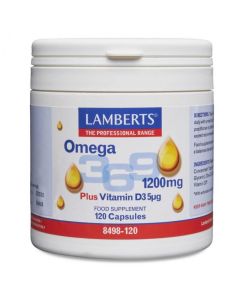 Lamberts Omega 3-6-9 Capsules 120Special Price £17.96 Regular Price £23.95

- Probiotics: Reviews of clinical trials suggest probiotics may help calm gut inflammation, especially in ulcerative colitis.

- Vitamin D: A large 5-year study found that daily vitamin D reduced the chances of developing autoimmune diseases by about 22%

Is AIP good for weight loss?
The AIP diet is not intended as a weight-loss plan. Its main purpose is to reduce inflammation, support gut health and identify food triggers. That said, weight loss can occur indirectly. Cutting out processed foods, alcohol, refined sugar and empty calories often leads to eating fewer overall calories and focusing on more nutrient-dense options. If less energy is consumed than the body uses, weight loss may follow as a side effect rather than the goal.
“Supplements like fish oil and zinc can play a role in calming inflammation.The AIP protocol is definitely an interesting approach to targeting inflammation through food, and adding the right supplements can make it more balanced and sustainable.” – Mitesh Desai, Nutritionist at Landys Chemist
What Does the Research Say?
Research on the AIP diet is still limited, with most studies being small pilot trials or short-term interventions. Early findings suggest benefits for people with conditions such as inflammatory bowel disease and Hashimoto’s thyroiditis, particularly around quality of life and symptom management.
FAQ
Is AIP safe long-term?
The elimination phase is not meant to be permanent. Use it short-term, then liberalise in maintenance to the most diverse diet you tolerate, to minimise nutrient risk and social burden.
Can I drink coffee on AIP?
Coffee is excluded initially since it is a seed and sometimes a reflux trigger. Many people successfully reintroduce it later.
How long should elimination last?
Commonly 30 to 60 days, then begin reintroductions. If symptoms are unchanged after 60 days, consider stopping or reassessing with your clinician.
This article is for informational purposes only and is not a substitute for medical advice. Consult your doctor or healthcare provider before starting any supplements, treatments, or remedies. Ensure a varied and balanced diet and a healthy lifestyle before considering supplements. Supplements should not replace a balanced diet.
References:
- Efficacy of the Autoimmune Protocol Diet as Part of a Multi-disciplinary, Supported Lifestyle Intervention for Hashimoto’s Thyroiditis
- The Role of Inflammation in the Pathology of Acne - PMC
- Efficacy of the omega-3 fatty acids supplementation on inflammatory biomarkers: An umbrella meta-analysis - PubMed
- Probiotics as regulators of inflammation: A review | Functional Foods in Health and Disease - Online ISSN: 2160-3855
- Vitamin D and marine omega 3 fatty acid supplementation and incident autoimmune disease: VITAL randomized controlled trial - PubMed
- A personalized elimination diet for patients with autoimmune diseases - PMC