




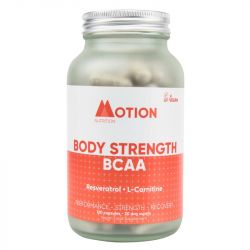


All you need to know about BCAA
Can BCAAs increase muscle growth?
Yes – BCAAs can be used to boost muscle development and health. Leucine helps to stimulate the muscle-making process, and studies have shown that taking BCAAs alongside working out can help to develop muscles by up to 22%. Whey protein is rich in BCAAs like leucine, which is one of the amino acids needed to build muscle.
Are BCAAs good for treating fatigue?
BCAAs are highly effective at treating fatigue and tiredness, especially post-exercise. Muscles in the body use BCAAs while exercising, causing levels of BCAAs in the blood to drop. When BCAA levels drop in the blood, the chemical tryptophan is increased, which the body converts to serotonin, making us feel tired. In studies evaluating the effects of BCAAs, those who took supplements before exercise found their mental focus was sharper, and they took less time to recover from exercise.
Which foods are high in BCAAs?
BCAAs are found in high-protein foods and protein supplements or powders. If you consume enough protein in your diet, you should get all the BCAAs that your body needs. If however you are on a low meat or low protein diet, this can be more challenging. Foods rich in BCAAs include beef, chicken, whey powder, tuna, salmon, turkey, eggs, parmesan cheese, milk and yogurt.
How much BCAAs should I be taking per day?
You should always speak to your doctor before taking amino acid supplements, as too many amino acids can be harmful. Discuss your diet with your GP to see if you are getting the BCAAs you need. Generally speaking, your daily intake of BCAAs should be between 5-12 grams, depending on your health goals. If you are taking BCAAs for athletic performance, you may require a higher dose of between 10-20 grams per day.